
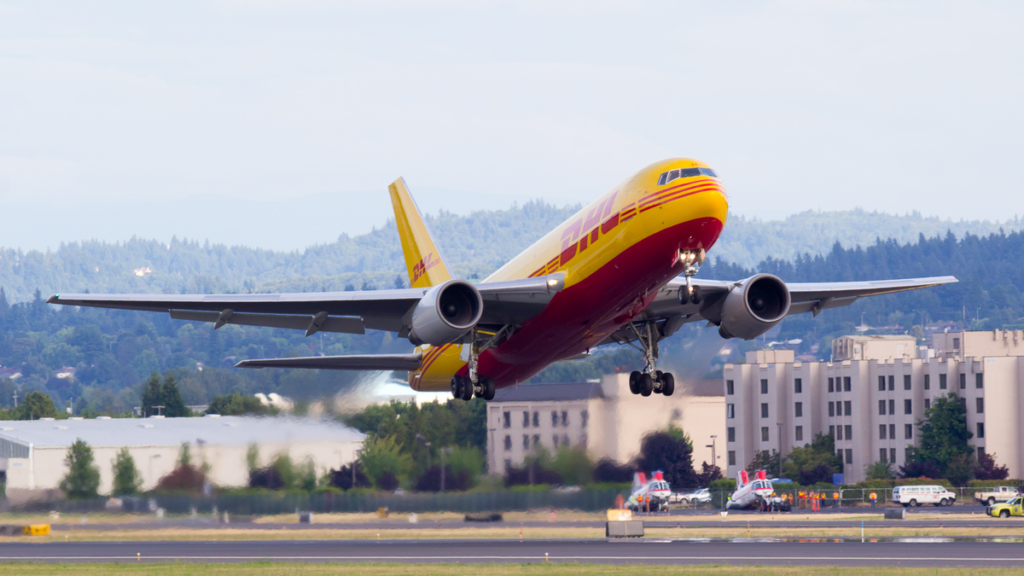
DHL Express said on November 17 that customers in the United States can now photograph an item and receive a suggested customs description when they book an international shipment. In a release from Plantation, Florida, the company said the capability uses computer vision to identify the object and produce a structured description within seconds.
Customers can take the photo with a smartphone or another connected device, and they can review, edit or override the suggestion before submitting the shipment. No DHL Express account is required. The company said inaccurate or incomplete item descriptions are a common cause of customs delays and holds, and that the tool is meant to improve data quality at the point of booking.
“For many businesses, one of the most challenging parts of international shipping is simply describing what they are sending to meet regulatory requirements,” said Greg Hewitt, chief executive of DHL Express U.S.
DHL said small and midsize businesses make up about 86% of its U.S. express customers and that the number of U.S. small businesses exporting with DHL Express rose 6% from a year earlier. The United States is one of 10 markets in the Americas where the feature is live, alongside Brazil, Canada, Chile, Colombia, Costa Rica, Ecuador, Guatemala, Mexico and Peru, with more rollouts expected through 2027. The company described the launch as the first time such a capability has been built at scale into a live, customer-facing express booking process; that is DHL’s own characterization.
What it means for manufacturers
A better item description can reduce holds, but it is not a tariff classification. The description, the Harmonized System code, the country of origin and the declared value are separate items, and the shipper remains responsible for them. A photo-based suggestion is a reasonable first draft for samples, spare parts and small export orders; it still needs a person who knows the product to confirm the wording.
For companies shipping internationally on a regular basis, it is worth keeping an approved description and code for each exported part, so the same item is declared the same way every time. Our guide on how to reduce tariff costs covers classification and origin, and the tariff cost calculator and landed cost guide show how duty changes the cost of a shipment.
Shipping parts across borders and seeing holds or classification questions?
Contact usSources
Additional sources
- Supply Chain 24/7, “New DHL Express Tool Turns a Product Photo Into a Customs Description” (Nov. 18, 2026), which notes that DHL first announced the tool on May 7, when it was live in eight markets, including Germany and Singapore.
Photo: Eric Prado, Wikimedia Commons, CC BY-SA 3.0 (illustrative)
Try the Statadventure live tools
Inventory tools for US manufacturers: reorder point, safety stock, EOQ and landed cost, with the inputs and assumptions shown.
Open the live tools